
Ask for updates on the naming effort, public meetings, and the next opportunity to participate.
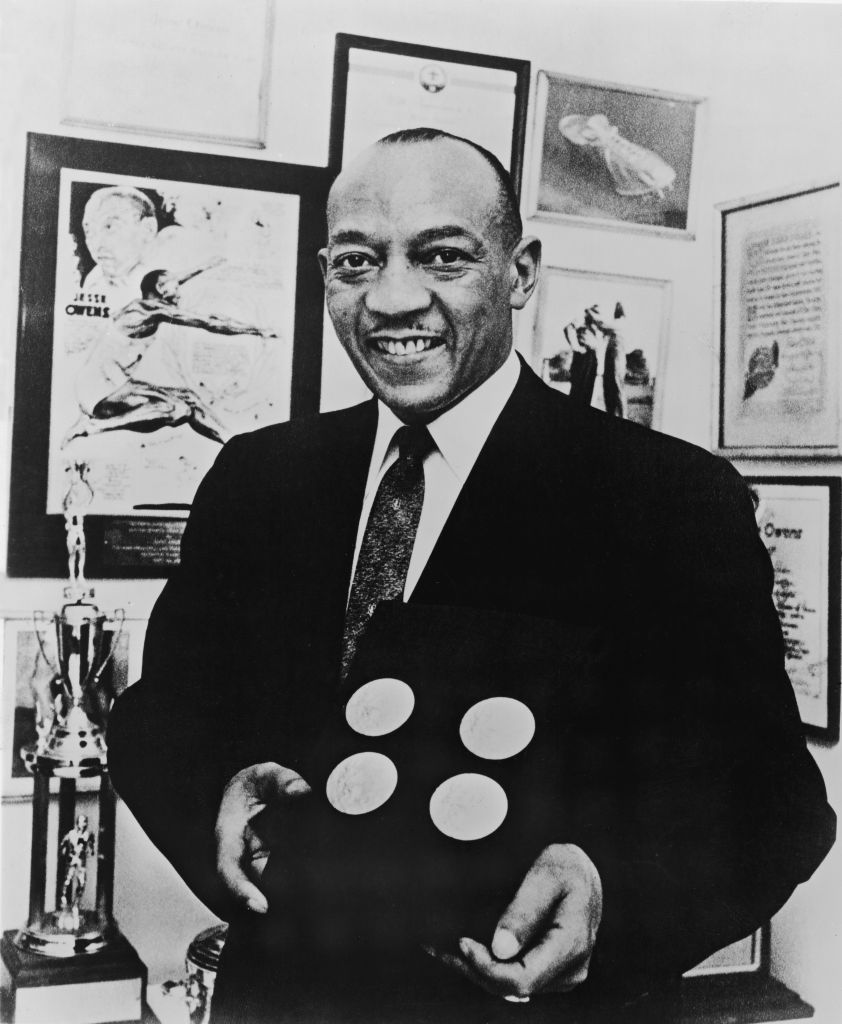
JESSE OWENS
“Athlete and humanitarian, a master of the spirit as well as the mechanics of sports. A winner who knew that winning was not everything. Showed extraordinary love for his family and friends. His achievements have shown us all the promise of America. His faith in America inspired countless others to do their best for themselves and their country.”
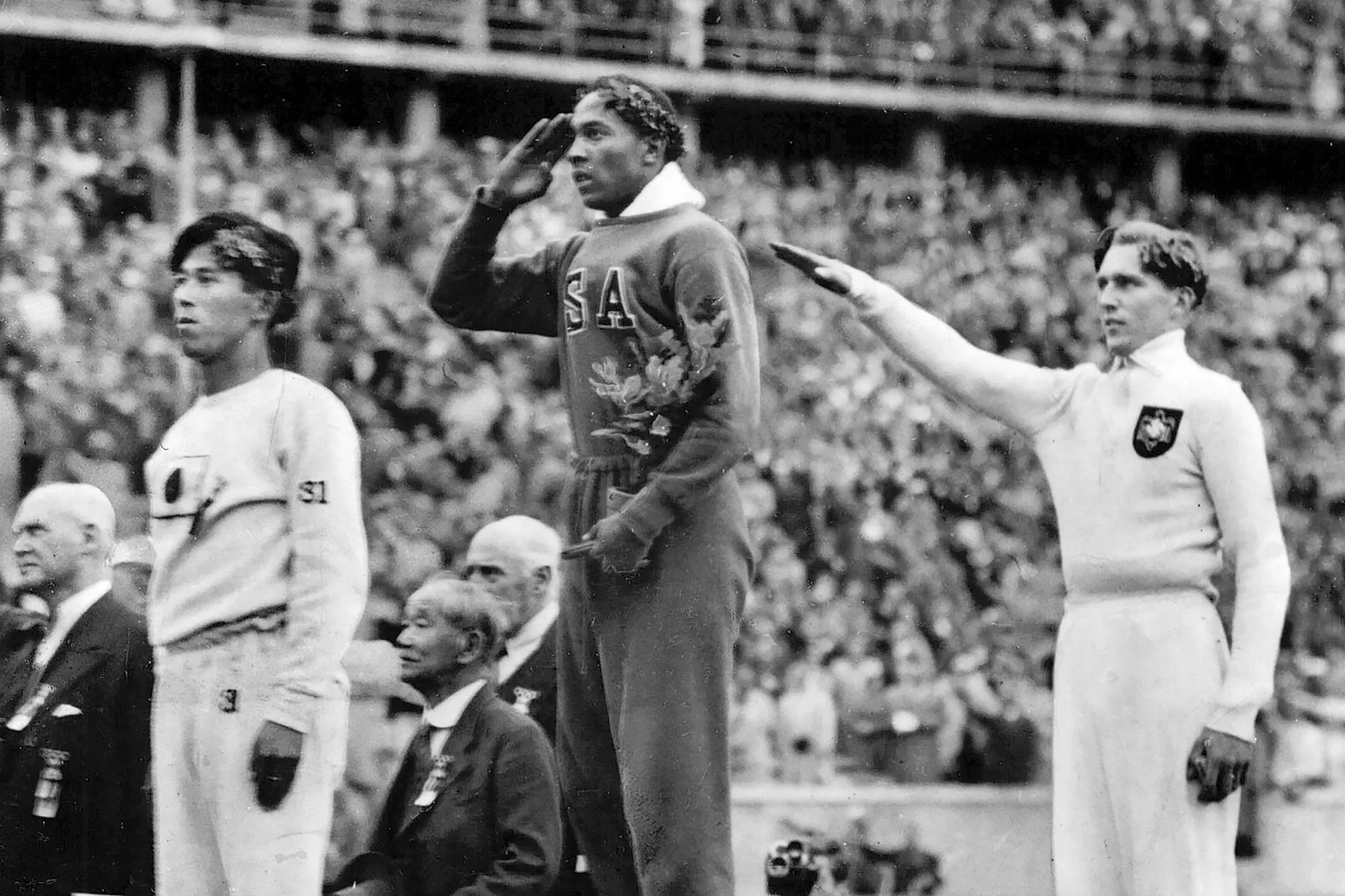
He didn’t just live here.
He built things.
In 1972, Owens moved from Chicago to a quiet home in the north mountains where the city kisses Paradise Valley. By his wife Ruth’s account, the Valley’s pace and kindness were the draw. By every other account, Phoenix was where Owens did some of his most consequential civic work — quietly, in person, on boards, in church basements, on golf courses, and at podiums. The Phoenix 40, the South Phoenix medical campus, the youth track program, the speaking circuit: all of it.
Jesse Owens Memorial Medical Center
After the 1973 and 1978 floods cut off medical care for Phoenix south of the Salt River, Owens served on the Phoenix Memorial Hospital board and co-chaired the campaign that built the South Phoenix Ambulatory and Emergency Care Center — dedicated January 18, 1979, and now bearing his name on a 40-acre campus connected by the Jesse Owens Olympic Parkway.
ARCO Jesse Owens Games
Owens promoted the ARCO Jesse Owens Games across the Valley, channeling his belief that “the experiences you derive from sports mold a code of practice that will remain with you all your life” into a youth program that inspired generations of Arizona kids.
First Black Member, Phoenix 40
Owens told founders he didn’t want to be a token, and was admitted with full standing to what is now the Greater Phoenix Leadership Council — a quiet, structural break in the Valley’s civic establishment.
Speaking. Everywhere.
From the 1964 banquet for Arizona’s Tokyo Olympians at the Hotel Westward Ho onward, Owens travelled some 200,000 promotional miles a year out of his Phoenix office — and still made time for local schools, congregations, and youth sporting events.
Boy Scouts · NCCJ · Phoenix Memorial
Owens served on the national board of the Boy Scouts of America, applied his Baptist faith to work with the National Council of Christians and Jews, and joined the Phoenix Memorial Hospital board in 1973.
Lying in State — Arizona Capitol
When Owens died at the University of Arizona Medical Center on March 31, 1980, Governor Babbitt ordered his body to lie in state at the Arizona Capitol before final burial in Chicago. Few private citizens have been so honored by the State of Arizona.
How those who knew him remembered the man.
He was every bit as great as any of the select meganames of the present, yet he conducted himself in a truly professional, dignified, selfless manner. You don’t see that often enough today.
I loved the beauty of the city and the kindness of the people. I liked the pace because you weren’t in a rush all the time.
There are different ways to win a war. Jesse did it with his personality and talking to majority white audiences about America and how he, a black American, helped us to raise our heads in 1936. Those messages penetrated people.
A park’s name is a civic decision. Phoenix has the chance to make a better one.
Owens Made Phoenix Home
From 1972 until his death in 1980, Owens lived in the Valley — not as a celebrity touring through, but as a neighbor who served on hospital boards, raised funds, mentored young athletes, and spoke at schools, churches, and civic clubs. By every account, these were the happiest years of his life.
The Current Honor Has Been Compromised
The park currently bearing the name of Cesar Chavez stands amid credible, public sexual harassment allegations against him. A public space’s name is the city’s endorsement. When the underlying record changes, the name should be reconsidered — not defended out of inertia.
What We’re Asking the Board
Move forward with renaming the park to Jesse Owens Park. Direct staff to begin the formal renaming process under the City of Phoenix Parks and Recreation Board’s naming policy. Open the matter for public comment and place it on a calendared agenda within 90 days.
For more than a decade, Jerry Van Gasse has held the four 1936 gold medals in trust.
GOOD|GOAT President Jerry Van Gasse has served as custodian of the Owens family’s Olympic gold medals — the most consequential set of medals in 20th-century American athletics — for over ten years. The responsibility is taken with quiet seriousness.
It is in that spirit — stewardship of legacy, not promotion of self — that Jerry is leading GOOD|GOAT’s push for the City of Phoenix to honor Jesse Owens with a park. The medals are kept. The story is told. The name should follow.
What’s happened. What comes next.
GOOD|GOAT documents every step. The next milestone is a calendared hearing of the Phoenix Parks and Recreation Board.
SHOW UP. SPEAK UP. PUT A NAME ON IT.
Follow this matter
Ask for updates on the naming effort and the next opportunity to participate.
Write the Parks Board
A short letter — your name, your zip code, your reason — carries weight in a public hearing record. We’ll provide the template.
Attend the Hearing
Phoenix Parks and Recreation Board hearings are open to the public. Showing up in person remains the single most effective form of civic pressure.